Enfield Town florist guide for local wedding flowers
Posted on 19/09/2026
If you are planning a wedding in Enfield Town, flowers can feel like one of those details that is both exciting and a bit daunting. You know they matter. They frame the ceremony, soften the room, show up in nearly every photo, and help the day feel personal. But which blooms suit your venue? How early should you book? And what actually makes a local florist the better choice? This Enfield Town florist guide for local wedding flowers is here to make those decisions simpler, calmer, and a lot more practical.
Truth be told, wedding flowers are less about "just picking pretty stems" and more about timing, scale, seasonality, transport, colour balance, and making sure everything arrives looking fresh rather than flustered. Let's get into the useful stuff.
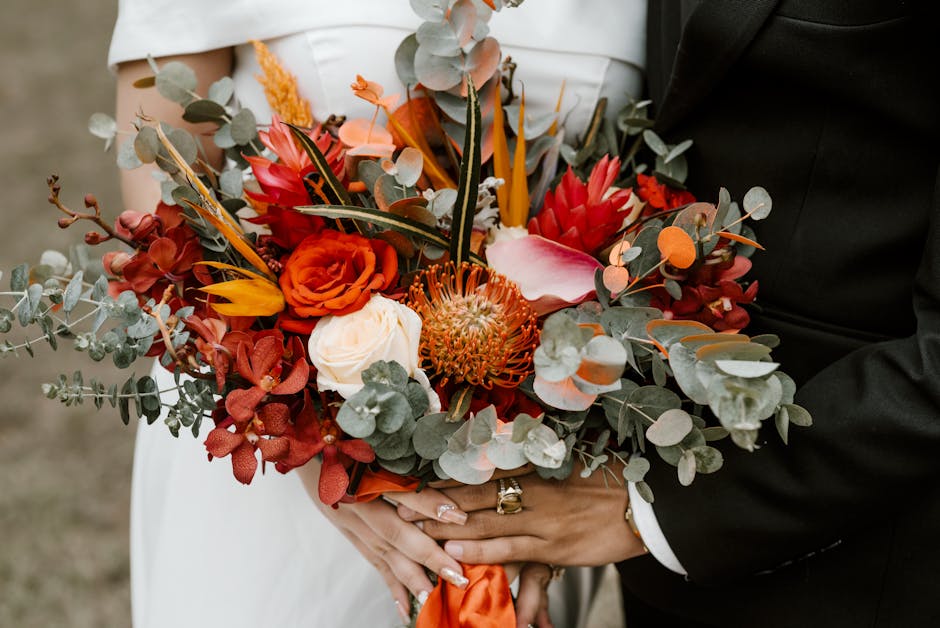
Table of Contents
- Why Enfield Town florist guide for local wedding flowers Matters
- How Enfield Town florist guide for local wedding flowers Works
- Key Benefits and Practical Advantages
- Who This Is For and When It Makes Sense
- Step-by-Step Guidance
- Expert Tips for Better Results
- Common Mistakes to Avoid
- Tools, Resources and Recommendations
- Law, Compliance, Standards, or Best Practice
- Options, Methods, or Comparison Table
- Case Study or Real-World Example
- Practical Checklist
- Conclusion
- Frequently Asked Questions
Why Enfield Town florist guide for local wedding flowers Matters
Local wedding flowers are not just decoration. They are part of the guest experience, part of the photography, and part of the atmosphere your day carries from the first arrival to the last toast. In Enfield Town, where couples may be marrying at a church, a registry setting, a hotel, a pub function room, or a more intimate private venue, floral choices often need to do several jobs at once: look elegant, travel well, suit the season, and stay within budget. That is where a local florist can make a real difference.
A florist who understands the area will usually have a better feel for delivery timings, access issues, parking quirks, and the little logistical wrinkles that wedding planners sometimes discover the hard way. A side street with awkward unloading, a venue with a narrow staircase, or a room that needs extra visual height but not too much volume - these details matter. They really do.
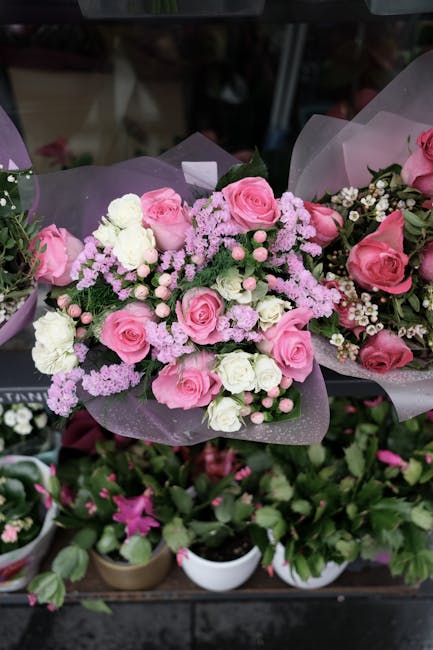
There is also the matter of style. Wedding flowers should reflect the couple, not the florist's template. A good local florist listens first, then translates your ideas into arrangements that fit the day. That may mean soft roses and lisianthus for a romantic look, or something looser and more textural if you want a natural, garden-style feel. Either way, the point is the same: flowers should support the wedding, not overwhelm it.
Expert summary: The best wedding flowers are the ones that feel effortless on the day, even though a lot of careful planning has gone into them behind the scenes. Local knowledge, clear communication, and realistic expectations are what keep everything running smoothly.
How Enfield Town florist guide for local wedding flowers Works
The process usually starts with a conversation about the wedding itself. Not just colours, but the whole picture: venue, date, season, dress style, bridesmaids' outfits, table layout, ceremony format, and whether you want flowers to be formal, loose, classic, modern, or somewhere in between. From there, a florist can suggest combinations that fit the occasion and the budget.
In practical terms, this is how it tends to work:
- Initial brief. You share the date, venue, guest count, colour preferences, and the main floral pieces you need.
- Style shaping. The florist narrows the look down to a few directions, such as romantic whites, soft pastels, bold statement colours, or seasonal mixed arrangements.
- Proposal and pricing. You review what is included: bridal bouquet, bridesmaid bouquets, buttonholes, ceremony flowers, table pieces, or larger feature installations.
- Final adjustments. Small changes happen here. Maybe the bouquet needs more greenery. Maybe the centrepieces should be lower for conversation. This is normal.
- Preparation and delivery. The flowers are made fresh, transported carefully, and delivered or installed at the venue at the agreed time.
It sounds straightforward, and mostly it is. But the difference between a decent result and a polished one is usually the detail. A bouquet should suit the bride's proportions. Buttonholes should be secure without looking stiff. Table arrangements should allow guests to talk across the table without dodging flowers. Small things, but they change everything.
For couples who want a broader wedding flower starting point, the wedding flowers collection can be a useful place to explore styles before narrowing your shortlist.
Key Benefits and Practical Advantages
Choosing a local Enfield Town florist for wedding flowers offers more than convenience. Yes, proximity helps. But the real value comes from planning confidence, local responsiveness, and a better fit between design and delivery.
- Better local logistics: A florist nearby is more likely to handle delivery timing, parking, and access in a realistic way.
- More responsive communication: If you need to clarify a colour, swap a bloom, or adjust quantities, it is easier when you are dealing with a local team.
- Freshness and presentation: Flowers generally hold up better when they are prepared close to the event and handled carefully.
- Practical styling advice: Local florists can suggest what works in real venues, not just in pictures.
- Less wedding-day stress: One less thing to worry about. And honestly, that matters more than people admit.
There is also a creative benefit. Local florists often become very good at reading a brief quickly. You might say, "soft but not too pale, romantic but not sugary, and not too heavy on roses," and they will know exactly what you mean. That saves time and cuts down on back-and-forth. Which, to be fair, is welcome when you are juggling guest lists, outfits, and a dozen other decisions.
Who This Is For and When It Makes Sense
This guide is useful if you are planning any kind of wedding in or around Enfield Town and want flowers that feel coordinated rather than improvised. It is especially helpful for couples who value a personal touch, need honest budget guidance, or want someone who understands local venues and delivery conditions.
You may find it particularly relevant if you are:
- planning a ceremony and reception in the same general area
- working with a modest or mid-range floral budget and need smart prioritisation
- wanting classic British wedding styling with seasonal flowers
- choosing between simple bridal flowers and a fuller venue set-up
- trying to coordinate flowers with dresses, suits, table settings, and photography
- organising a multicultural or blended ceremony where floral choices need to reflect personal meaning
It also makes sense if you are short on time. Not every couple has months to spend on mood boards and multiple floral consultations. Some people need clear recommendations fast. A good florist can work with that. A very good florist can make it feel easy, which is half the battle really.
Step-by-Step Guidance
If you want to get wedding flowers right without getting buried in options, follow a simple process. It is not glamorous, but it works.
1. Start with the venue and date
The venue usually drives the flower plan more than people expect. A large hall wants different arrangements from a small ceremony room. A summer wedding can take lighter, airier flowers; a winter wedding often needs richer textures or stronger structure. If you know the venue layout, bring photos. Even a quick phone snapshot helps.
2. Decide what matters most
If the budget is finite - and it usually is - rank the pieces in order of importance. For some couples the bridal bouquet is the hero. For others, it is the ceremony arch or the top table. There is no single right answer. Just be honest about where you want the visual impact.
3. Choose a colour story
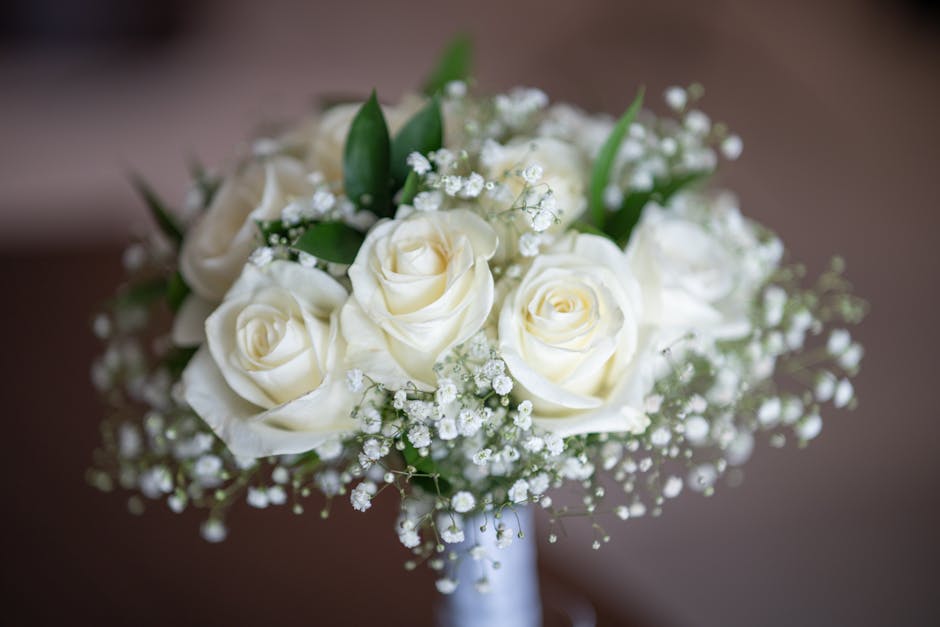
Think in terms of a colour story rather than a single colour. For example, white and green feels crisp and timeless; blush, peach, and ivory feels soft and romantic; deep burgundy with rose tones gives a more dramatic, late-season mood. A florist can help you stop the palette from getting messy. That is a thing. It happens.
4. Match flower types to the season
Seasonal flowers usually offer better value and a more natural look. Roses are a staple, but you may also see lisianthus, hydrangeas, carnations, lilies, chrysanthemums, alstroemeria, and mixed foliage used in wedding work. Some blooms are more reliable in certain months than others, and a florist can steer you away from choices that may be fragile or poor value for the date.
5. Confirm quantities and sizes
One common surprise is scale. A bouquet that looks ideal in a sample image may feel larger or smaller in real life depending on the person carrying it, the dress, and the photography style. The same goes for centrepieces. A 5ft trestle table needs something different from a round table for ten. Ask for actual size guidance, not just "large" or "small".
6. Finalise delivery details
Confirm the delivery window, venue contact, setup access, and where each item should go. Ceremony flowers may need to be moved later to the reception. Buttonholes need to be distributed at the right time. These little operational details are dull, yes, but dull is good when you are talking about wedding logistics.
7. Keep one final point of contact
On the week of the wedding, keep one person in charge of florist communication. Too many voices can muddy the water. One person, one list, one confirmed plan. Nice and simple.
Expert Tips for Better Results
If you want your flowers to look thoughtful rather than merely arranged, the following tips make a noticeable difference.
- Ask for flexibility on flower substitutions. If a specific bloom is unavailable, a florist who has permission to substitute within the same colour and style family can protect both quality and timing.
- Prioritise shape, not just colour. Two arrangements can be the same shade but feel completely different because of structure. Rounded bouquets, trailing bouquets, loose garden-style designs - they all tell a different story.
- Think about movement. Wedding flowers should photograph well from several angles and feel natural when carried or placed on a table. Static, stiff arrangements can look a little cold.
- Use scent carefully. Strongly scented flowers are lovely, but in a small ceremony space they can be too much. A subtle scent is usually safer.
- Be realistic about budget pressure. If you want luxury impact on a practical budget, invest in a few focal pieces and keep the rest simpler. That is far smarter than trying to make every item do everything.
One useful rule of thumb: if a flower choice solves three problems at once - looks good, travels well, and fits the season - it is probably a strong candidate. Fancy is fine. Reliable is better.
And one more thing. Bring photos, but do not arrive with a stack of twenty conflicting screenshots from different weddings. Florists can work miracles, but not telepathy.
Common Mistakes to Avoid
Wedding flower mistakes are usually not dramatic. They are small, cumulative issues that create unnecessary stress. The good news is that most of them are easy to avoid once you know what to look for.
- Booking too late: Popular wedding dates fill up fast, especially in peak season. Waiting can limit your choices.
- Giving vague instructions: "Just something nice" is not a brief. It is a shrug. Try to be specific about style, colour, and atmosphere.
- Ignoring venue scale: Tiny arrangements in a large room can look lost, while oversized pieces in a small room can crowd the space.
- Overcomplicating the palette: Too many colours often dilute the effect. A tight palette usually looks more polished.
- Forgetting transport and setup: Flowers need to arrive on time, in the right condition, and in the right place.
- Not asking about reuse: Ceremony flowers can often be repurposed for the reception if planned properly, which is a sensible use of budget.
A subtle but important mistake is assuming every flower works equally well in every season or every room. That is rarely true. A good florist will steer you gently away from fragile choices if they are not the right fit. That is not being difficult. That is being helpful.
Tools, Resources and Recommendations
You do not need a complicated toolkit to plan wedding flowers well. What you do need is a few practical resources and some clear notes.
- Venue photos: Use these to show table shape, room size, entrance areas, and ceremony spaces.
- Colour samples: Bridesmaids' fabric, invitation mock-ups, ribbon swatches, or even a dress photo can help.
- Guest and table plan: Useful if you are ordering centrepieces, top-table arrangements, or aisle flowers.
- Simple mood board: Four or five images are plenty. More than that can muddy the decision.
- Budget notes: Keep a rough split between must-have flowers and nice-to-have extras.
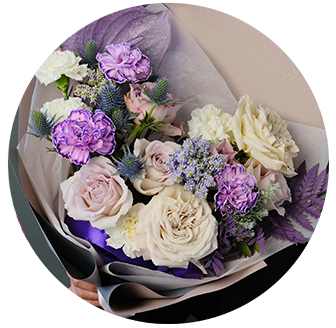
For couples comparing styles, it can help to browse a few relevant collections rather than starting from scratch. A local florist's bridal and bridesmaid designs can show you how different bouquets work together. For example, the bridal bouquet and bridesmaid bouquet options give a clear sense of how matching sets can feel coordinated without looking identical.
If buttonholes or table pieces are also on your list, it is worth checking complementary items early so the whole scheme feels coherent. A small detail, but it stops the day from feeling pieced together at the last minute.
Law, Compliance, Standards, or Best Practice
Wedding flowers are not heavily regulated in the way some industries are, but there are still sensible best-practice points that protect both the couple and the florist.
First, terms and expectations should be clear in writing. That usually includes what is being supplied, approximate sizes or styles, whether substitutions may be made, delivery timing, installation responsibilities, and what happens if weather or availability affects specific blooms. Clear terms help avoid awkward surprises later. Nobody wants that conversation two days before the wedding.
Second, if flowers are being delivered to a venue, access instructions should be accurate. That includes loading points, permitted delivery times, and the correct contact person. Venue teams are often busy, and a florist who has the right details can work much more smoothly.
Third, where candles, stands, hanging designs, or other decor elements are involved, follow venue rules and basic safety practice. Some venues have restrictions for fire safety, display height, or setup materials. Ask early rather than guessing. It sounds obvious, but people do miss it.
Fourth, good floristry practice includes care, freshness, and honest substitutions. If a chosen flower is not in good condition, a reputable florist should choose a suitable alternative rather than sending something tired just to match a list. That standard matters more than a perfect label on paper.
Finally, if you are sharing flowers across ceremony and reception, decide in advance who moves what, and when. Best practice is a simple handover plan. Otherwise, the bouquets disappear into the wedding-day fog and everyone starts looking at everyone else. Not ideal.
Options, Methods, or Comparison Table
There are several common ways to approach wedding flowers. The right one depends on budget, venue size, and how much styling help you want.
| Approach | Best for | Advantages | Watch out for |
|---|---|---|---|
| Simple bridal-only flowers | Small weddings, registry ceremonies, tighter budgets | Focused spend, easy to organise, low stress | Venue can feel less styled unless the setting already has visual impact |
| Bridal party set | Couples wanting consistency across bridal bouquet, bridesmaids, and buttonholes | Creates a coordinated look without overdoing it | Needs a bit more planning to keep colours balanced |
| Full venue styling | Larger weddings, statement receptions, photo-led events | Strong visual impact, polished and immersive | More logistics, more cost, and more room for timing issues |
| Seasonal mixed design | Couples who want natural texture and flexibility | Often great value, more movement, less rigid look | Requires trust in the florist's design choices |
If you are torn between styles, ask for the simplest version of each option. Seeing the difference between "minimal", "balanced", and "full" can make the decision much easier. Sometimes the answer becomes obvious in about ten seconds. Funny how that works.
Case Study or Real-World Example
Here is a realistic example. A couple planning a late-spring wedding in Enfield Town wanted a soft romantic look but did not want the room to feel overloaded. Their ceremony was small, the reception was in a different space, and they needed the flowers to do double duty. They asked for a bridal bouquet, two bridesmaid bouquets, buttonholes, and table arrangements that could move from ceremony to dinner.
The florist kept the palette to whites, blush tones, and light greenery, then chose flowers that could hold shape through the day. The bridal bouquet was slightly fuller and more textured, while the bridesmaids' bouquets were smaller and lighter. Ceremony flowers were designed so they could be moved later without losing impact. It was not flashy. It was tidy, elegant, and practical. Which is often exactly what works.
What made the difference was not a rare bloom or a giant installation. It was planning around the day itself: where people would stand, how long the flowers needed to last, and how the arrangements would look in photos. That is the real lesson. Good wedding flowers support the flow of the day, quietly but firmly.
Practical Checklist
Use this checklist once you are ready to brief a florist or confirm your order.
- Wedding date confirmed
- Venue name and full address ready
- Indoor or outdoor ceremony confirmed
- Guest count and table plan roughly known
- Colour palette chosen
- Bridal bouquet style agreed
- Bridesmaid bouquet quantities confirmed
- Buttonholes and corsages counted
- Ceremony flowers listed
- Reception flowers listed
- Budget ceiling set
- Delivery window agreed
- Venue contact details shared
- Substitution preference discussed
- Plan for moving flowers between spaces confirmed
If you can tick most of those off, you are in good shape. Not perfect, maybe, but properly organised. That is close enough for most wedding plans.
Get a free quote today and see how much you can save.
Conclusion
Choosing wedding flowers in Enfield Town is really about balancing beauty with practicality. The best florist for the job will listen carefully, understand local conditions, and help you turn a vague idea into something that feels natural on the day. That could mean soft romantic blooms, simple elegant bouquets, or a fuller floral story across the ceremony and reception. What matters is that the flowers fit you, the venue, and the way you want the day to feel.
If you take one thing from this guide, let it be this: start with the venue, keep the brief clear, and choose a florist who can explain the trade-offs honestly. That is the route to flowers that look lovely in the room, in the photos, and in your memory. And honestly, that memory is the bit that lingers.
On a wedding day, good flowers don't shout. They just belong there.
Frequently Asked Questions
How far in advance should I book a wedding florist in Enfield Town?
As early as you can, especially for popular dates. Many couples book several months ahead so there is enough time to discuss style, quantities, and venue logistics without rushing.
What flowers work best for local wedding arrangements?
It depends on the season, colour palette, and venue. Roses, lisianthus, hydrangeas, lilies, carnations, alstroemeria, and greenery are all commonly used because they can suit different styles and budgets.
Can a florist help if I only need bridal bouquets and buttonholes?
Yes. Plenty of couples only want a few key pieces. A good florist can still create a cohesive look even if you are not ordering full venue styling.
How do I keep wedding flowers within budget?
Focus on the pieces guests will notice most, such as the bouquet and ceremony arrangements, and keep the rest simpler. Seasonal flowers and reusable designs can also help stretch the budget further.
Should my bridesmaids' bouquets match the bridal bouquet exactly?
Not necessarily. They often work better when they complement the bridal bouquet rather than copying it. Slight differences in size or flower mix usually look more polished.
What information should I give the florist first?
Start with your date, venue, colour preferences, budget, and the floral items you need. If you have a dress photo or venue image, that helps too. It gives the florist a proper starting point.
Are seasonal flowers better for weddings?
Usually yes, because they tend to be better value and more reliable. They also often look more natural for the time of year, which can make the whole design feel more cohesive.
Can ceremony flowers be reused for the reception?
Often they can, if the florist plans them with that in mind. It is a smart way to make the most of your budget and keep the venue looking consistent throughout the day.
What if I do not know my exact style yet?
That is very common. A florist can usually work from a few words such as romantic, modern, classic, wild, or understated. A couple of reference images help more than you might think.
Do I need different flowers for summer and winter weddings?
Not always different, but often a different mix or feel works better. Summer weddings can use lighter, airier designs, while winter weddings may suit richer tones and more structure.
How do I know if a florist understands my venue needs?
Ask how they handle delivery, access, and setup. If they mention practical points like timing, parking, or moving flowers between spaces, that is usually a good sign they are thinking beyond the design alone.
What is the safest way to brief a florist if I am short on time?
Keep it simple: date, venue, colour palette, budget, and the main items you need. A concise brief is often better than a scattered one. It gives the florist room to make sensible recommendations quickly.